
Neck Pain

Neck pain refers to discomfort or pain experienced in the region of the neck, which is located between the base of the skull and the upper part of the shoulders. It can range from mild and occasional discomfort to severe and persistent pain. Neck pain can be caused by various factors, including muscle strain, poor posture, injury, or underlying medical conditions. Here are some common causes of neck pain:

Causes of Neck Pain

Muscle Strain

Overuse or strain of the neck muscles, often due to poor posture, repetitive movements, or holding the head in an awkward position for a very long period of time.

Whiplash

Injury to the neck, often resulting from car accidents, sports injuries, or falls, can also cause neck pain. This is known as whiplash injury.

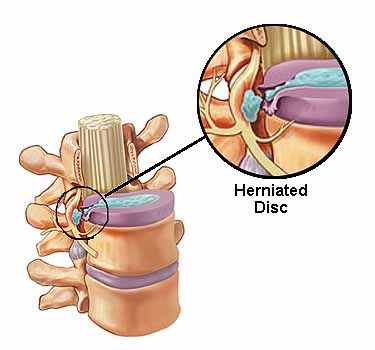
Herniated Disc

The soft discs which are present in between the vertebrates can bulge out, pressing on nearby nerves and causing pain.

Osteoarthritis

Degenerative changes or the natural wear and tear in the cervical spine, also known as cervical spondylosis, can lead to neck pain and stiffness.

Nerve Compression

Conditions like cervical radiculopathy or cervical spinal stenosis can compress nerves in the neck, causing pain, tingling, or weakness in the arms or hands.

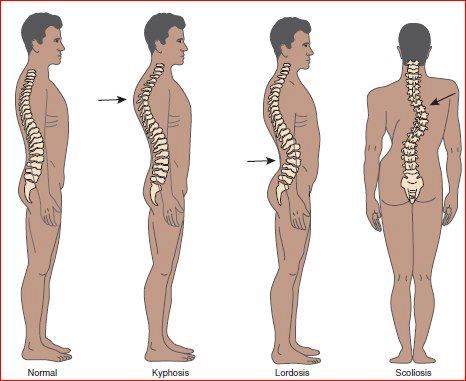
Poor Posture

Maintaining an incorrect posture while sitting or standing, prolonged use of mobile phones or laptop, can cause strain in the neck muscles and lead to pain.

Stress and Tension

Emotional stress and tension can cause muscle tension in the neck and shoulders, resulting in pain.

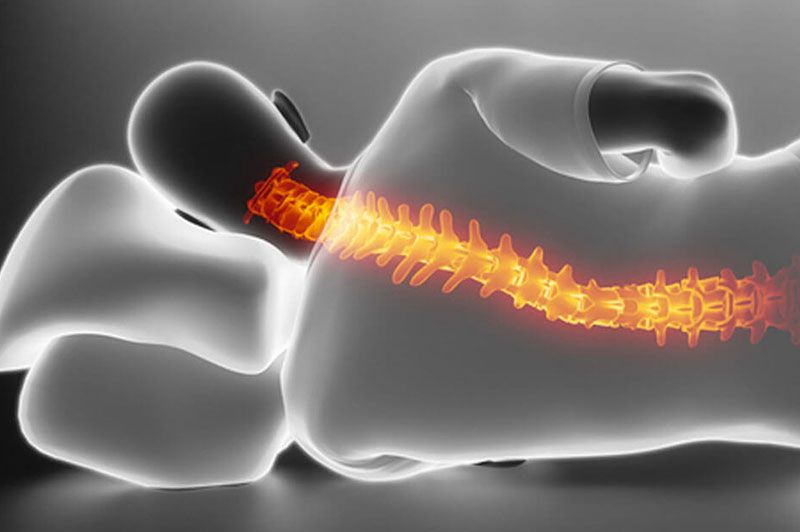
Sleeping Position

Sleeping in an awkward position or with inadequate neck support can lead to neck pain.

Lifestyle Factors

Smoking, obesity, and a sedentary lifestyle can contribute to the development of neck pain.

Conditions

Smartphones,laptop and Neck pain

Nowadays use of mobile phones is not only limited to calling. Mobile phones have become an important part of our lives which is equivalent to breathing. It is used for texting, setting reminders, adding notes, entertainment etc. But doing all these we forget the form of our body while using the mobile phones or laptops for hours leading to strain or sprain injuries and joint issues.
Our neck is composed of small cervical bones called vertebrae, which form the cervical column. This spinal column supports the head over the neck. Through these spinal vertebrae nerves are passed to supply the whole body.

Cervical Spondylosis

Spondylosis is a general term used for various degenerative conditions of the spine. The bones of the spine known as the vertebrae, disc, ligaments etc are affected. Sometimes a smaller area of the spine or sometimes from the base of the skull to the lower back is affected
This degenerative change of spine is also known as osteoarthritis.

How it feels

Pain

Prolonged faulty posture leads to muscle imbalances causing repetitive stress on muscles and joints leading to pain in neck, shoulder and upper back area.

Stiffness

Tightness in the muscles leads to stiffness and restricted movement of the neck, you might feel that the neck is normally not moving in all directions as it used to.

Headache and eye pain

Due to the imbalance in the muscles, pain can radiate to the back of the head or sometimes to the eyes causing dizziness.

Pain radiating to hands with numbness and tingling

Tightness in the muscles leads to compression of the nerves underneath, causing pain in the arms with numbness and tingling.

Pain and Stiffness in neck and back

Degeneration leads to dehydrated spinal discs , discs absorbs the shock in our body, drying of these discs leads to rubbing of bones against each other and causes pain Extra bone growth around the cervical vertebrae can cause compression of soft tissues around, leading to pain.

Early morning pain

Degeneration causes tightness in the muscles and thus causes soreness in the body.

Weakness in the arms

Compression of nerves and tightness of the muscles leads to weakness of the neck and arms

Numbness and Tingling

Degeneration and herniated disc ( i.e displacement of the disc from its position) causes compression of the nerves leading to numbness and tingling in the arms or hands.

Difficulty in walking or lack of coordination

In geriatric population when the condition becomes chronic neck pain starts affecting the balance of the body , thus making it difficult for the individual to walk freely.


✅ How Yoga Therapy Works in Cervical Disc Bulge

  • ✔️ Corrects neck and shoulder posture

  • ✔️ Reduces nerve pressure gently

  • ✔️ Relaxes tight neck muscles

  • ✔️ Strengthens weak supporting muscles

  • ✔️ Improves spine alignment

  • ✔️ Teaches right sitting and sleeping habits

  • ✔️ Boosts blood flow and healing

  • ✔️ Prevents future disc damage

Scroll to Top