
WHAT IS POSTURAL ISSUES
A postural issue happens when your body stays in the wrong position for a long time while sitting, standing, walking, or working. This usually develops due to habits like long hours on mobile phones, laptops, poor sitting posture, lack of exercise, and improper sleeping positions. Over time, wrong posture puts extra pressure on the spine, muscles, and joints, leading to neck pain, back pain, shoulder stiffness, headaches, fatigue, and even disc problems. When posture is not corrected, the body slowly loses its natural balance and strength, making daily movements painful and difficult. That is why improving posture is very important—it helps reduce pain, protects the spine, improves breathing and energy levels, and prevents future health problems.
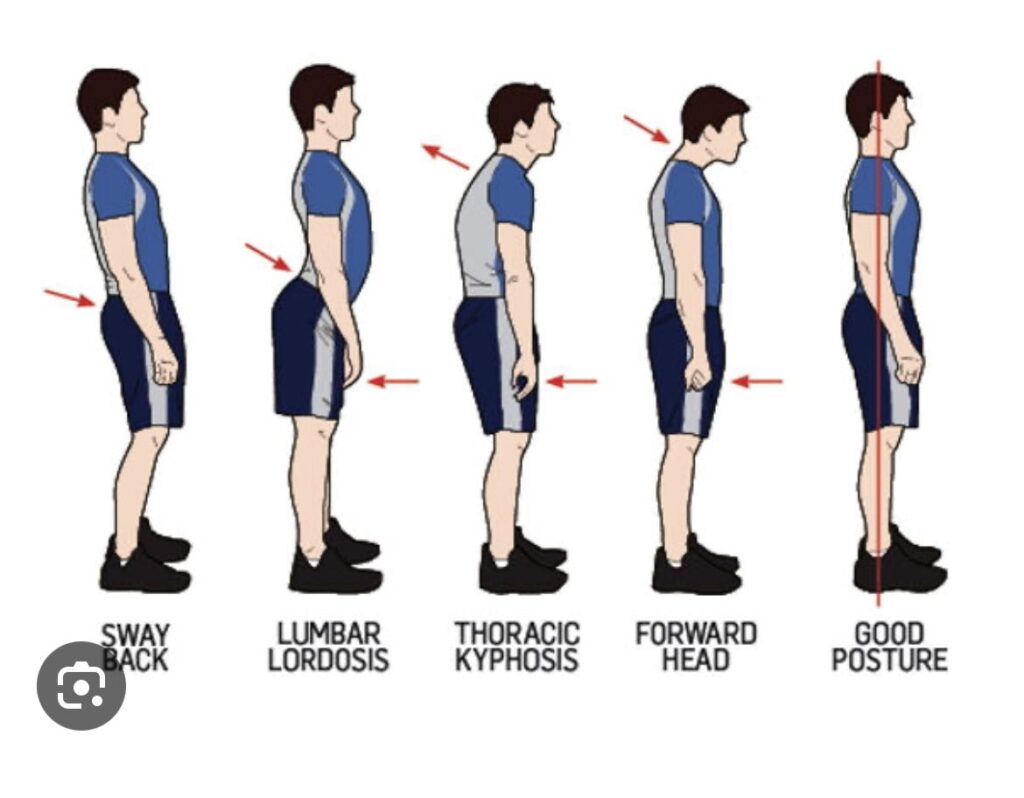
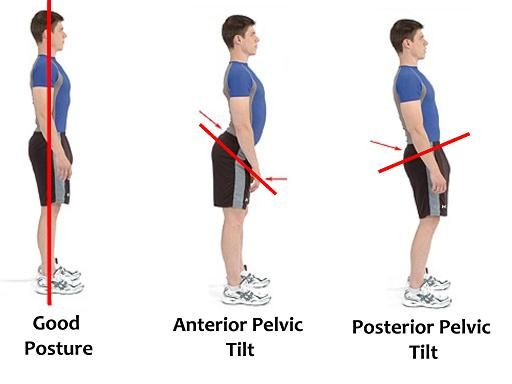
TYPES OF PELVIC TILT
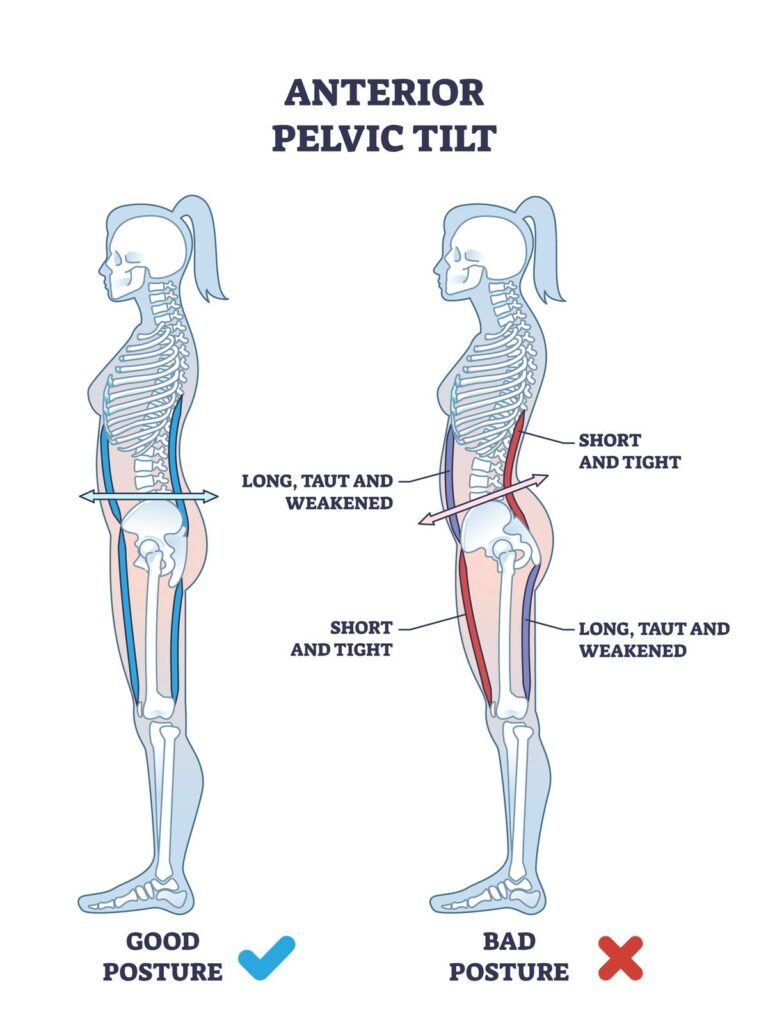
ANTERIOR PELVIC TITL
Anterior Pelvic Tilt is a postural problem in which the front of your pelvis tilts forward and the back rises upward.
Because of this tilt, your lower back becomes over-curved, and your stomach pushes outward, even if you are not overweight.
Causes & Symptoms Together
1️⃣ Long hours of sitting → Hip muscles become tight → Lower back pain starts
2️⃣ Excessive mobile/laptop use → Slouching posture → Pelvis tilts forward
3️⃣ Weak abdominal muscles → Poor pelvic support → Stomach sticks out
4️⃣ Tight hip flexors → Pull pelvis forward → Over-curved lower back
5️⃣ Lack of exercise → Muscle imbalance → Weak body stability
6️⃣ Wrong standing posture → Leaning forward → Back discomfort
7️⃣ Poor sleeping position → Spine stress → Morning stiffness
8️⃣ Weak core strength → Poor balance → Early fatigue
9️⃣ Bad sitting habits → Pelvic misalignment → Chronic back issues
🔟 Ignoring posture → Increased disc pressure → Higher injury risk
POSTERIOR PELVIC TILT
Posterior Pelvic Tilt is a postural problem in which the pelvis tilts backward, causing the lower back to become flat and the hips to move forward.
1️⃣ Long hours of slouching while sitting
2️⃣ Sitting with rounded lower back
3️⃣ Weak lower back muscles
4️⃣ Tight hamstring muscles
5️⃣ Overactive abdominal muscles
6️⃣ Lack of physical exercise
7️⃣ Poor standing and walking posture
8️⃣ Wrong sleeping position
9️⃣ Continuous bending posture
🔟 Weak core and spinal support
LATERAL PELVIC TILT
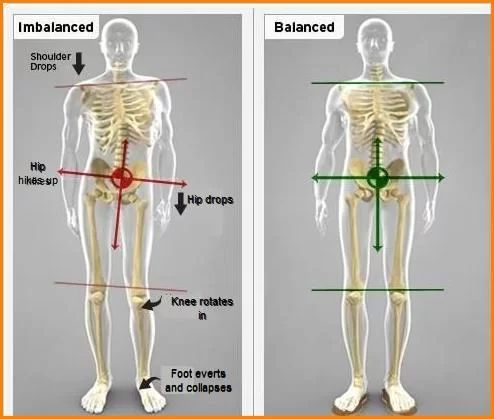
Lateral Pelvic Tilt is a postural problem in which one side of the pelvis is higher than the other.
Because of this imbalance, the spine bends slightly to one side and the body becomes uneven.
Causes & Symptoms
1️⃣ Sitting with crossed legs → One hip becomes higher → Body looks tilted
2️⃣ Standing on one leg habitually → Pelvis shifts → Poor balance
3️⃣ Carrying bag on one shoulder → Shoulder drops → Waist pain
4️⃣ Weak muscles on one side → Poor support → One-side back pain
5️⃣ Tight muscles on opposite side → Hip stiffness → Limited movement
6️⃣ Wrong walking pattern → Uneven pressure → Knee and hip pain
7️⃣ Past injury → Muscle imbalance → Tilted posture
8️⃣ Lack of exercise → Weak core → Body instability
9️⃣ Slanted sitting posture → Pelvic misalignment → Lower back pain
🔟 Leaning on one side often → Spine bends → Chronic discomfort
✅ How Yoga Therapy Works
✔️ Finds the root cause of pain
✔️ Relaxes tight muscles
✔️ Corrects posture and alignment
✔️ Strengthens weak areas
✔️ Uses safe, gentle movements
✔️ Improves breathing and circulation
✔️ Builds natural healing power
✔️ Prevents pain from returning