
Frozen Shoulder
Adhesive Capsulitis or Frozen Shoulder is mainly characterized by pain and stiffness in the shoulder joint. The causative factor is usually unknown , sometimes the underlying cause can be an old injury or surgery.
The condition commonly occurs in people with Diabetes or who have immobilized their arm for a long time.The condition hampers the activities of daily chores and sleep due to excruciating pain and limited movement, however the signs and symptoms vary in different phases of Frozen Shoulder.
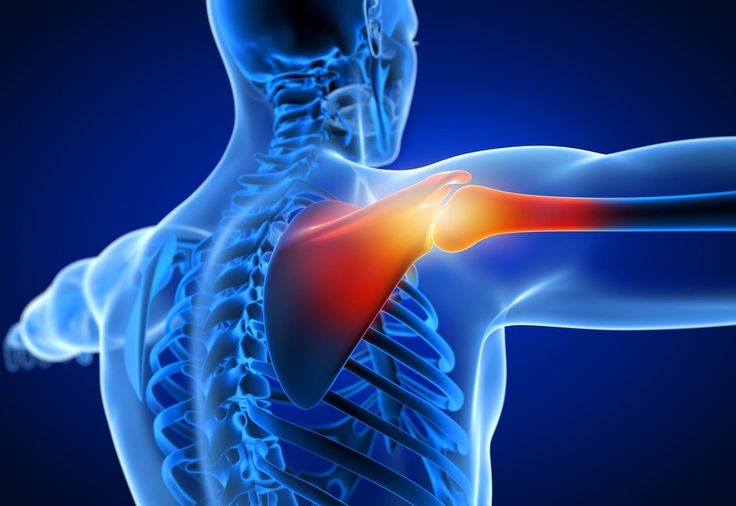
Shoulder Impingement
Shoulder Impingement is a common condition in which the tendons or ligaments are compressed in between the bones of the shoulder joint. Compression leads to the inflammation of the structures causing pain and restriction in shoulder mobility. Shoulder Impingement typically involves Rotator cuff tendons.

Common Conditions,Causes and Symptoms
frozen Shoulder Pain
Freezing stage
The pain is excruciating during this phase with generally minimal restriction in the movement. During this phase the condition is usually misdiagnosed with other painful shoulder conditions. This phase may last from 1-9 months
Frozen stage
During this phase the range of motion starts to decrease evidently. During this phase attaining certain positions gets difficult like lifting arm up or taking hand behind back or behind the neck. Diagnosing the condition becomes slightly easier for the physician in this phase. This phase may last for 6-12 months.
Thawing phase
During this final stage stiffness in the shoulder capsules slowly starts releasing and arm movements start becoming easier. To gain normal range of motion, medical intervention is required. This phase may last for 6 months to 2 years.
Nerve compression
Compression of the nerve in the neck or around shoulder region can cause pain radiating down to the arm or shoulder.
Postural issues or Lifestyle factors
Poor posture, such as slouching or hunching the shoulders, can lead to muscle imbalances and chronic shoulder pain. Lifestyle factors like lifting heavy backpacks, prolonged computer usage or awkward sleeping posture can also lead to shoulder pain.
Shoulder Impingement
Overuse or Repetitive Injuries
Activities that involve frequent overhead motions, such as swimming, badminton, tennis, or painting, can lead to shoulder impingement.
Muscle / Postural Imbalance
Weakness or imbalance in the muscles changes the position of the shoulder joint leading to impingement causing pain.
Anatomical Factors
Some individuals have a naturally narrow space in the shoulder joint, which makes them more prone to impingement.
Trauma
Previous injury can lead to alteration in shoulder positioning can lead to Impingement.
Bone spurs or Aging
Natural degenerative changes of the joint also known as Osteoarthritis increases the risk of Shoulder impingement.

🌟 How Yoga Therapy Heals Shoulder Pain
| Step | Focus | Benefit |
|---|---|---|
| Assessment | Find root cause | Right treatment |
| Relaxation | Release tightness | Pain relief |
| Stretching | Improve movement | Flexibility |
| Strengthening | Build support | Stability |
| Habits | Correct lifestyle | Prevention |